
Electrical
Along with classroom education, students at STVT will get the opportunity to participate in hands-on training to strengthen their skills.
Electrical Program Details
STVT’s comprehensive Electrical program helps prepare you for an entry-level position in the residential and commercial Electrical field. We combine classroom-style education with hands-on learning to prepare you for what a career in Electrical will be like once you graduate. With enrollment starting on a rolling basis and programs that can be completed in 10 months, your dream career is in your near future!
By the end of our program, you should be prepared to be a service technician capable of troubleshooting, servicing and repairing residential and commercial electrical systems meeting the National Center for Construction Education & Research (NCCER) standards.
Do You Have The Right Personality For College?
Find out what your personality is like and discover your traits, worries & concerns about taking the next step to study at school towards a new and rewarding career. This quick and easy assessment will provide you with some insight into what to focus on and what you might need to watch out for to best prepare you for your new career and school goals!
Find out what your personality is like and discover your traits, worries & concerns about taking the next step to study at school towards a new and rewarding career. This quick and easy assessment will provide you with some insight into what to focus on and what you might need to watch out for to best prepare you for your new career and school goals!
Skills Covered
Along with classroom education, students at STVT will get the opportunity to participate in hands-on training to strengthen their skills.
-
 Equipment and Shop Safety Procedures
In an electrical program, you will have the opportunity to learn about the various types of equipment and shop safety procedures that are used in the industry, as well as the different types of electrical hazards and how to avoid them. You will also be taught about the different types of electrical code requirements and how to properly use and maintain electrical equipment.
Equipment and Shop Safety Procedures
In an electrical program, you will have the opportunity to learn about the various types of equipment and shop safety procedures that are used in the industry, as well as the different types of electrical hazards and how to avoid them. You will also be taught about the different types of electrical code requirements and how to properly use and maintain electrical equipment. -
Voltage Measurement Using an Ohmmeter
Students learn about voltage measurement using an ohmmeter. This device is used to measure the potential difference between two points in a circuit. It is important to understand how to properly use an ohmmeter in order to take accurate measurements. Additionally, students can learn about the dangers of using this type of device improperly.
-
NEC Codebook
The National Electrical Code (NEC) is the standard for electrical safety in the United States and is adopted by most local jurisdictions. The NEC codebook contains a wealth of information on electrical safety, including wiring methods, circuit protection, and grounding. Our program covers how to find the information in the NEC book to help you build confidence to work on electrical systems.
-
Conduit Bending and Pipe Threading
This skill is important for electrical work because it helps to ensure that the pipes and conduits are properly installed and secure. It also helps to prevent leaks and other problems that can occur when these materials are not installed correctly. This program provides instruction on understanding how to bend and shape electrical conduit, as well as how to cut and thread pipes.
-
Installing Conductors
This program includes both theoretical and practical instruction on how to safely and effectively install electrical conductors. We cover topics such as the use of proper tools and techniques, calculation of voltage drop, and code compliance. Our graduates should come away from the program with a strong understanding of how to properly install conductors and be prepared to apply for entry into the workforce as electrical technicians.
-
Raceway Systems
We cover the various types of raceway systems used to protect and route electrical wiring in commercial and industrial buildings. The program covers the installation, inspection, and maintenance of these systems.
-
Pull Boxes
A pull box is a device that helps to bring electrical wiring or cable into a structure, and they are an essential part of an electrical system. We cover how to install, maintain, and troubleshoot pull boxes, and we also cover different types of pull boxes that are available on the market.
-
Electric Motors
Students in the program will have the opportunity to learn about the different types of electric motors, how they work, how to troubleshoot issues, and how to repair them. The program also covers the basics of electrical theory and safety, so that students and graduates can work safely with electrical equipment.
-
Troubleshooting Electrical Circuits
We cover a wide range of topics related to troubleshooting electrical circuits. This includes basic electrical theory, circuit analysis, and a variety of troubleshooting techniques. We also cover safety procedures and regulations, as well as how to use various test equipment.
What Does an Electrical Service Technician Do?
- Reading and following the National Electrical Code
- Determining the required equipment
- Selecting the necessary electrical method
- Preparing materials to meet project requirements
- Ensuring workplace safety and a safe working area
- Residential wiring and electrical testing
- Installation, grounding and maintenance
- Protect against over current
- Installation of electrical circuits
- Maintenance on fire alarms, HVAC and special locations
Our Campuses
Arlington
2241 S Watson Rd , Ste 181
Arlington , TX 76010
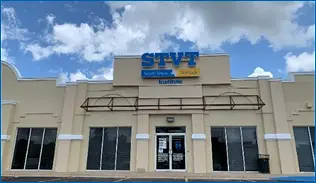
Brownsville
1900 North Expressway, Suite O
Brownsville, TX 78521
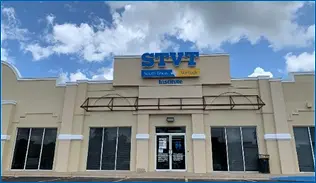
Corpus Christi
2000 S Padre Island Dr.
Corpus Christi, TX 78416
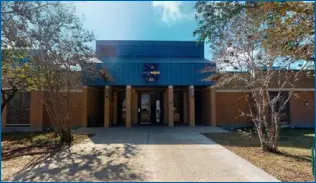
McAllen
1800 S. Main Street, Suite 500
McAllen, TX 78503
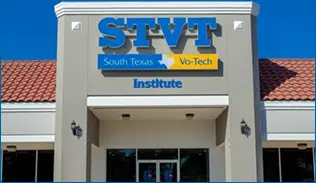
San Antonio
734 SE Military Dr.
San Antonio, TX 78214
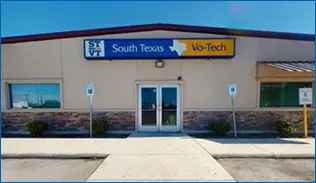
Weslaco
1600 N. Westgate Drive, Suite 400
Weslaco, TX 78599
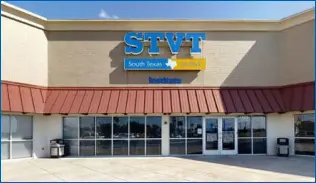
Ready to Enroll?
At South Texas Vocational Technical Institute (STVT), you can enroll by choosing a vocational program and campus, then contacting an admissions representative who will help you with paperwork and setting up your start date.
Your Consent
By using the Site, you consent to our collection and use of your personal information as described in this Privacy Policy. Please review the entire policy to learn about what type of information is gathered, how such information is used and what information may be disclosed to third parties.